 FALL SALE:Final Hours


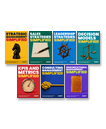
How Top Consultants Solve Any Business Problem, Step by Step
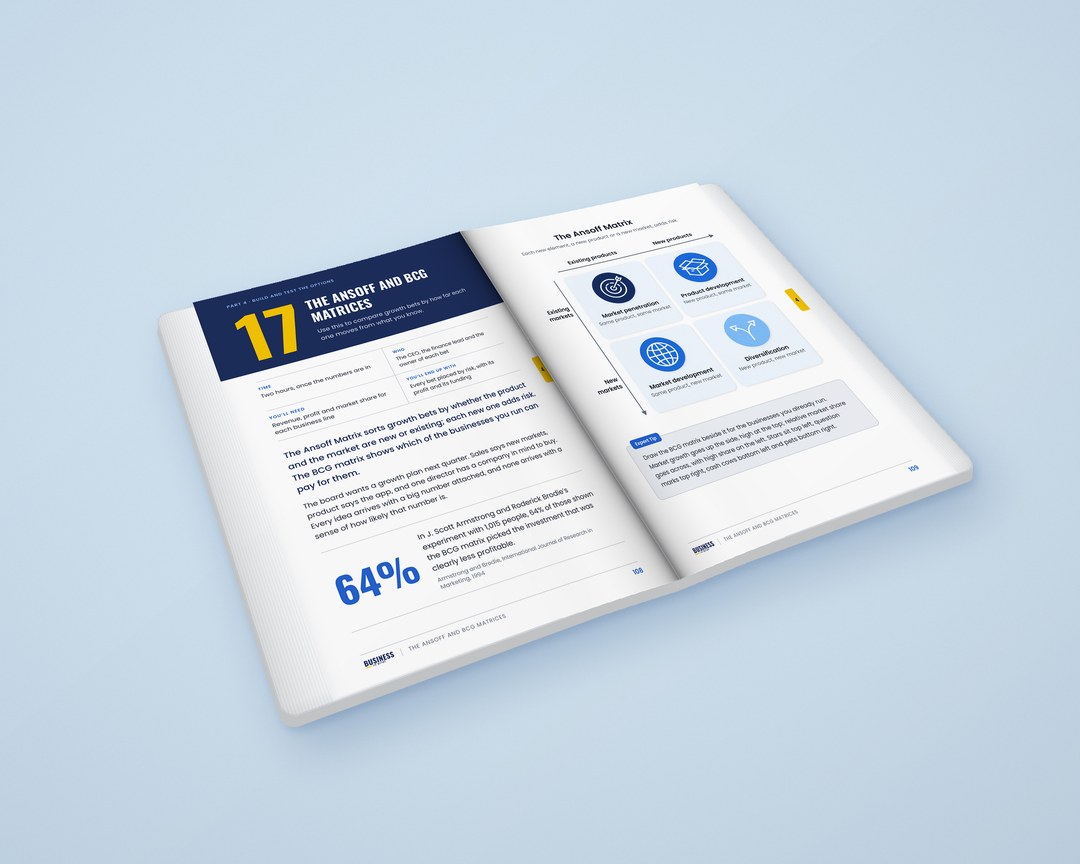
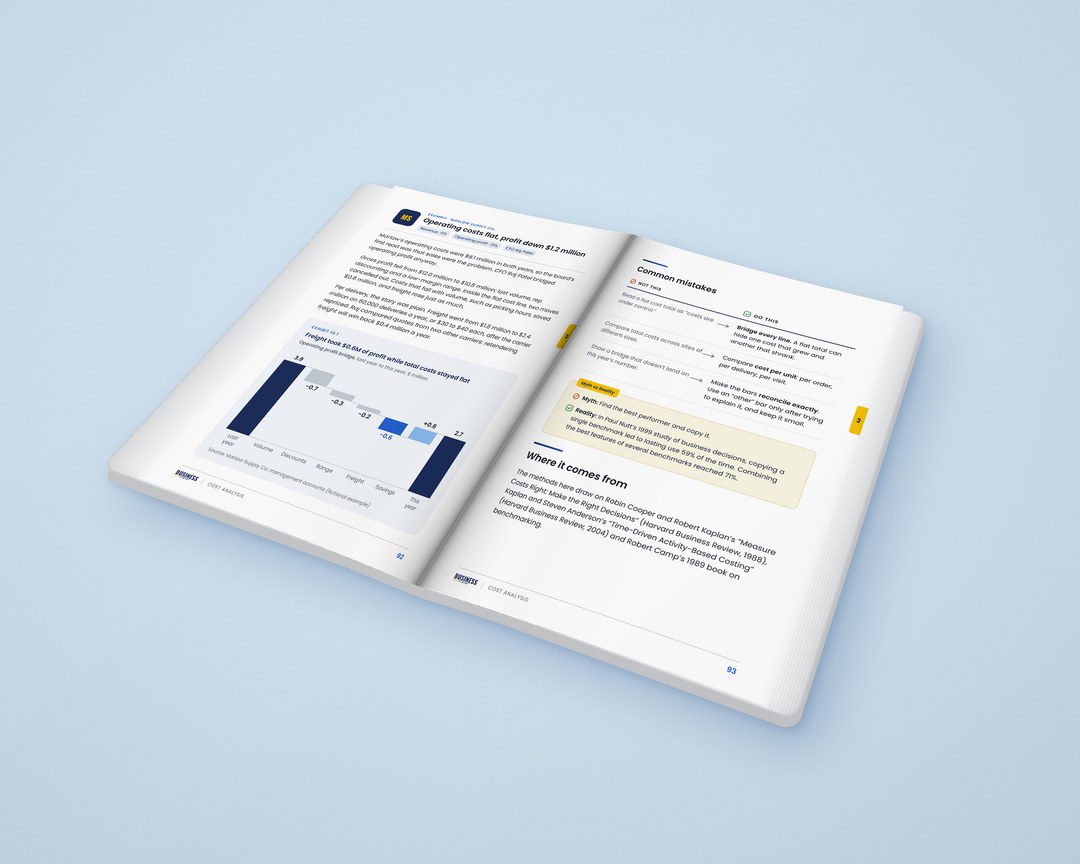
How a framework looks inside the book: the diagram, a worked example and the worksheet.
The big consulting firms all teach it to new hires in their first weeks.
Most managers go a whole career without seeing it written down.
Consultants walk into companies they have never seen, in industries they have never worked in, and come out a few weeks later with a recommendation the board can act on. They do it the same way every time.
It isn't talent or insider knowledge. It's a method: define the real question, break it into parts that don't overlap, find the cause behind the numbers, choose between options with a scoring rule, and present the answer first.
Firms bill hundreds of thousands for a single project. A large part of what clients pay for is that structure, applied with discipline.
The structure itself isn't secret. It's just scattered across MBA syllabi, 300-page books that make one point, and internal training decks nobody outside the firm ever sees.
So most managers learn by doing. They lean on experience, put a deck together, and walk into the meeting hoping the reasoning holds when someone asks why.
Usually it does. Then one day it doesn't.
Where good managers get stuck
Think of the last hard problem that landed on your desk.
Sales were down and three people had three explanations. Leadership wanted a recommendation by Friday. The team kept circling the same issue in every meeting.
What did you actually do? Most people search, pull together what worked last time, and build something that sounds reasonable. It's a perfectly normal response. It also leaves you exposed the moment a sharp question comes.
Sound familiar?
What managers search for the night before the meeting
“how to present a recommendation to leadership”
→
SCQA: Frame Any Problem in Four Lines
Part 5
“why does the same problem keep coming back”
→
Root Cause Analysis: Five Whys and the Fishbone
Part 3
“how to choose between projects with a small budget”
→
Prioritizing: ICE and Weighted Scoring
Part 4
“how profitable is this industry really”
→
Porter’s Five Forces
Part 2
“how to break down a messy business problem”
→
MECE: No Gaps, No Overlaps
Part 1
“what to say when the director asks a question I can’t answer”
→
Handling Tough Questions in the Room
Part 5
Searching the night before isn't a method. It's how capable people end up looking unprepared.
Without a method
A vague problem
Everyone describes it differently
↓
Search and copy
Ten tabs, no structure
↓
Fix the symptom
The real cause stays put
↓
Decide by volume
The loudest voice wins
↓
Present the analysis
Twenty slides, answer on the last one
↓
Hope it sticks
No owner, no measure
Outcome: exposed
One question unravels it
With the method
Define the question
One sentence everyone signs
↓
Split it with MECE
No gaps, no overlaps
↓
Find the driver
KPI tree, then root cause
↓
Score the options
ICE or weighted scoring
↓
Answer first
SCQA and the pyramid
↓
Run it and track it
Action plan, KPIs, OKRs
Outcome: defensible
Every step has a reason
The difference between a hard-working manager and the person leadership calls when something breaks is rarely intelligence. It's having a sequence you trust: break the problem down, find what's really driving it, and build an answer that survives questions.
Consultants are trained in that sequence from their first week. Everyone else has to piece it together alone. This book puts it in one place.
LIMITED TIME OFFER
LOWEST PRICE EVER: Consulting Management Simplified is currently at its lowest price ever.
Lock in 50% OFF before the price goes back up.
NOTE: The lowest price is only available on our website, not on Amazon or anywhere else.
This price disappears in
00:00:00
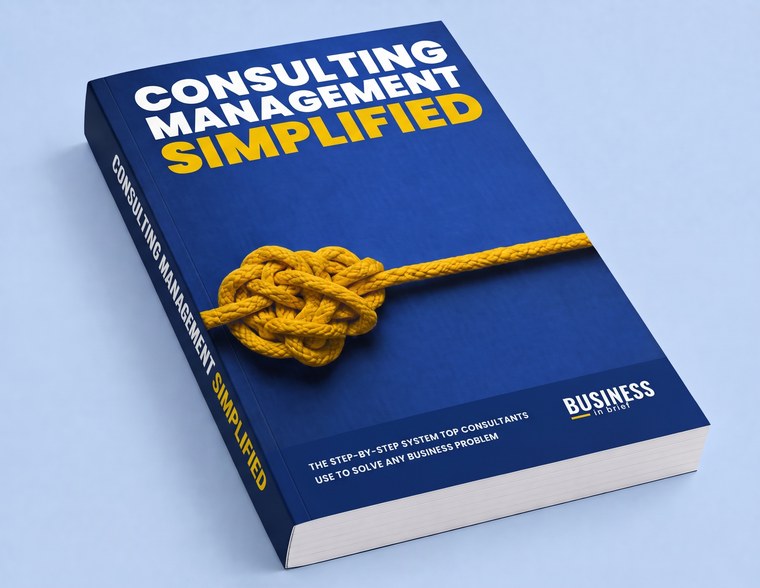
Consulting Management Simplified
- MECE, issue trees, SCQA and the Pyramid Principle
- KPI trees, root cause and the 80/20 rule
- A worked example and a worksheet in every chapter
- How to present it and handle the hard questions
✓14-day money-back guarantee
What happens as problems get harder
Quality of your answer as the problem gets bigger (illustration)
Be honest with yourself
The meeting you still think about
A director asked “why?” and your slide had no answer to it.
How to see the questions coming, answer with the structure behind your slide, and say “I’ll come back to you” without losing the room.
Someone newer to the company presented a plan that sounded sharper than yours.
They didn’t know more. They had a structure. The six steps give your experience the same shape, so it comes across as clearly as it deserves to.
A framework came up that you’d heard of but couldn’t actually use.
MECE, Five Forces, BCG, Ansoff, ICE, Kotter, PDCA and the rest, each with a diagram, a worked example and a worksheet you can fill in that afternoon.
You knew you were right but couldn’t show why beyond “experience”.
Turn the instinct into a hypothesis, test it cheaply, and put the numbers on one page. The instinct stays yours; now it has evidence.
30-second check
Which chapter do you need first?
1. What’s on your desk this week?
2. When a problem like that arrives, what happens first?
3. What would help most right now?
Every answer you picked has its own chapter.
You don’t need to memorise 35 frameworks. You need to know which one to open.
Start here
Consulting Management Simplified
35 frameworks in 7 parts. The method in this article, start to finish.
$49$99
Get the book – 50% off
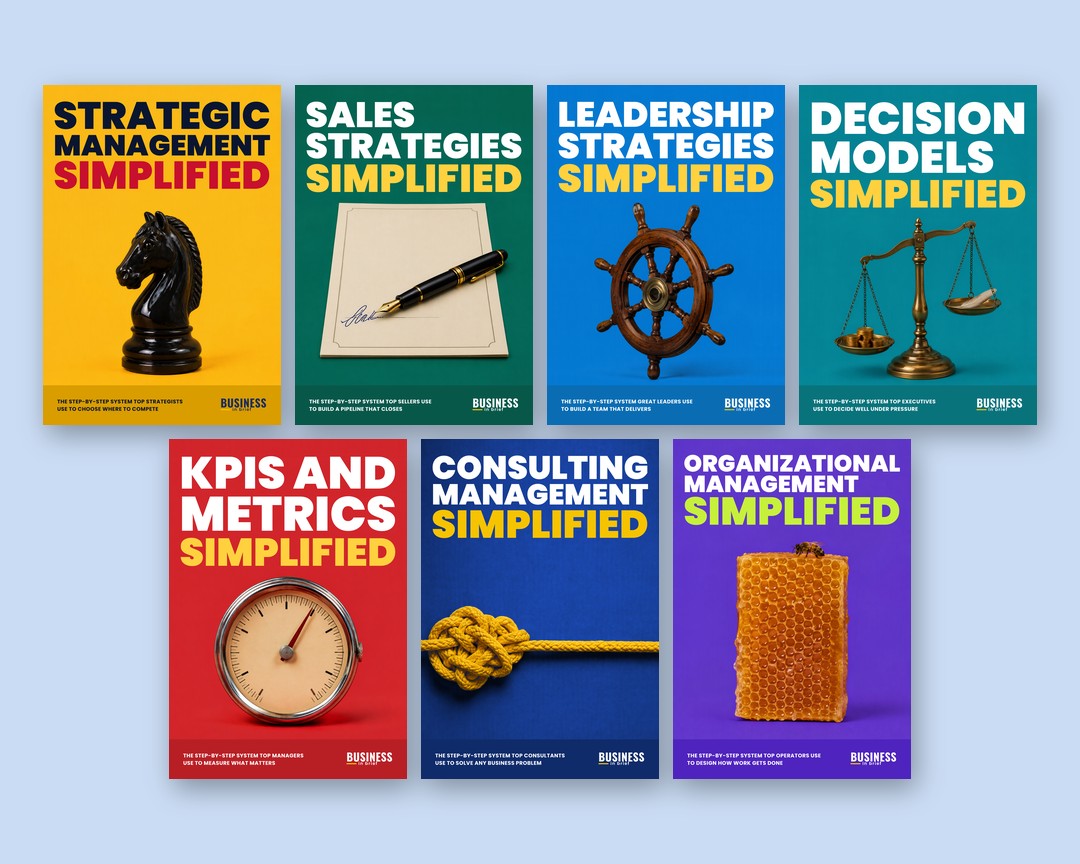
Instant PDF download · 14-day money-back guarantee · $343 is 7 books at $49 each
What the method looks like
The method runs in the same order whatever the problem: frame it, split it, find the cause, choose, present, deliver. Here is how each step shows up in the book.
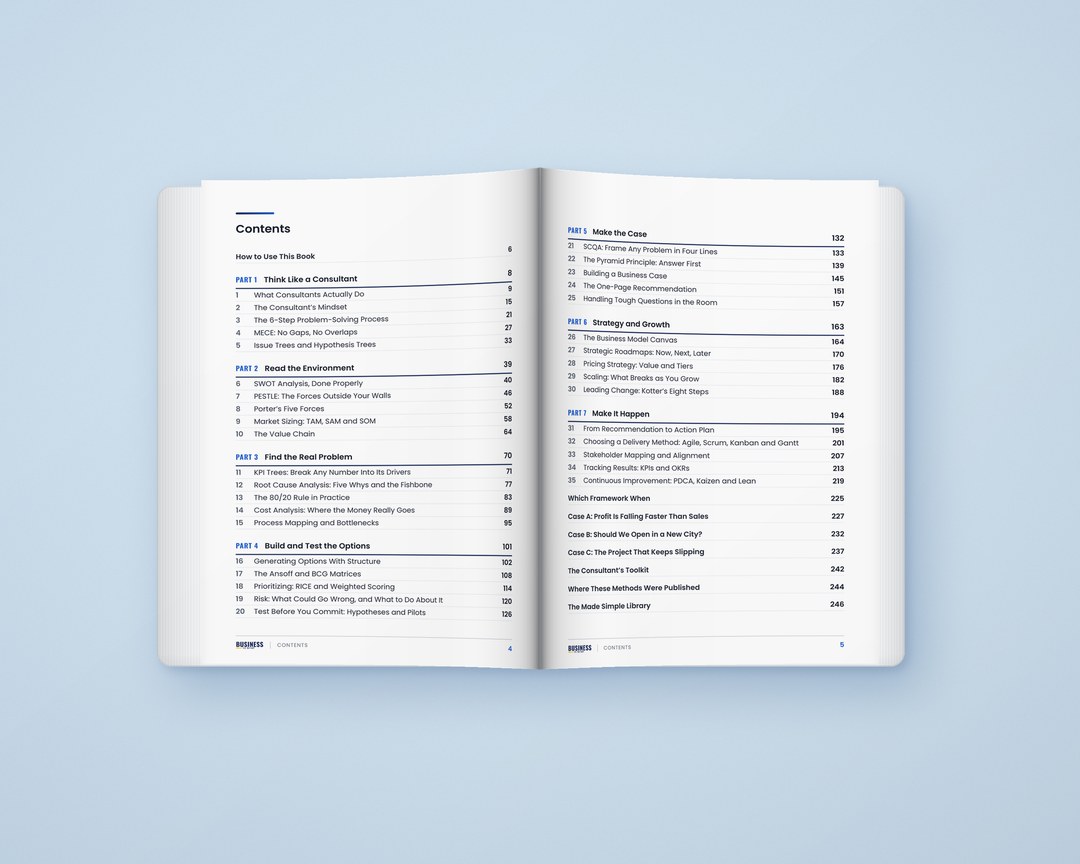
The contents page: 35 chapters in 7 parts.
See the six steps in the book →
50% off today · instant PDF · 35 frameworks
It starts with the question. Most teams skip this and argue about solutions to different problems. Writing the problem as Situation, Complication, Question and Answer (SCQA) puts everyone on the same one.
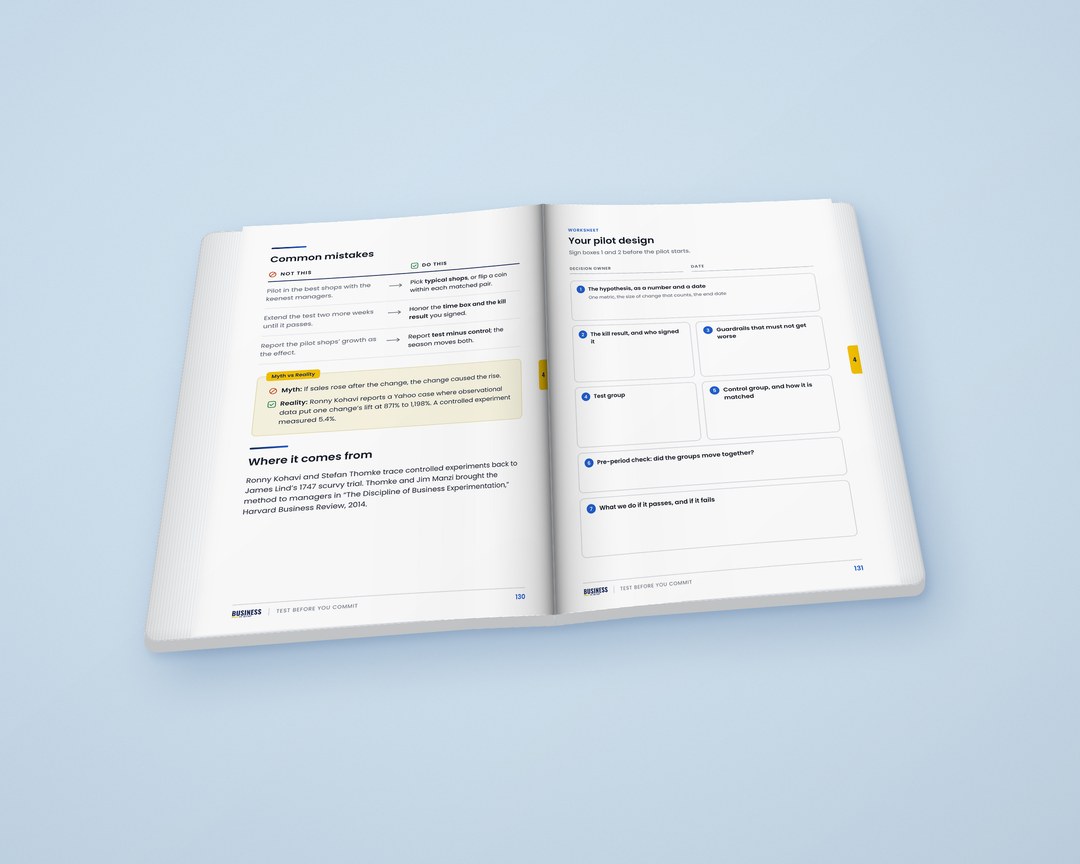
Every chapter ends with a sheet you can fill in.
Get the SCQA chapter →
50% off today · instant PDF · 35 frameworks
Then the problem gets split into parts that don’t overlap and don’t leave anything out. Consultants call this MECE, and it’s the habit that makes their work look so tidy.
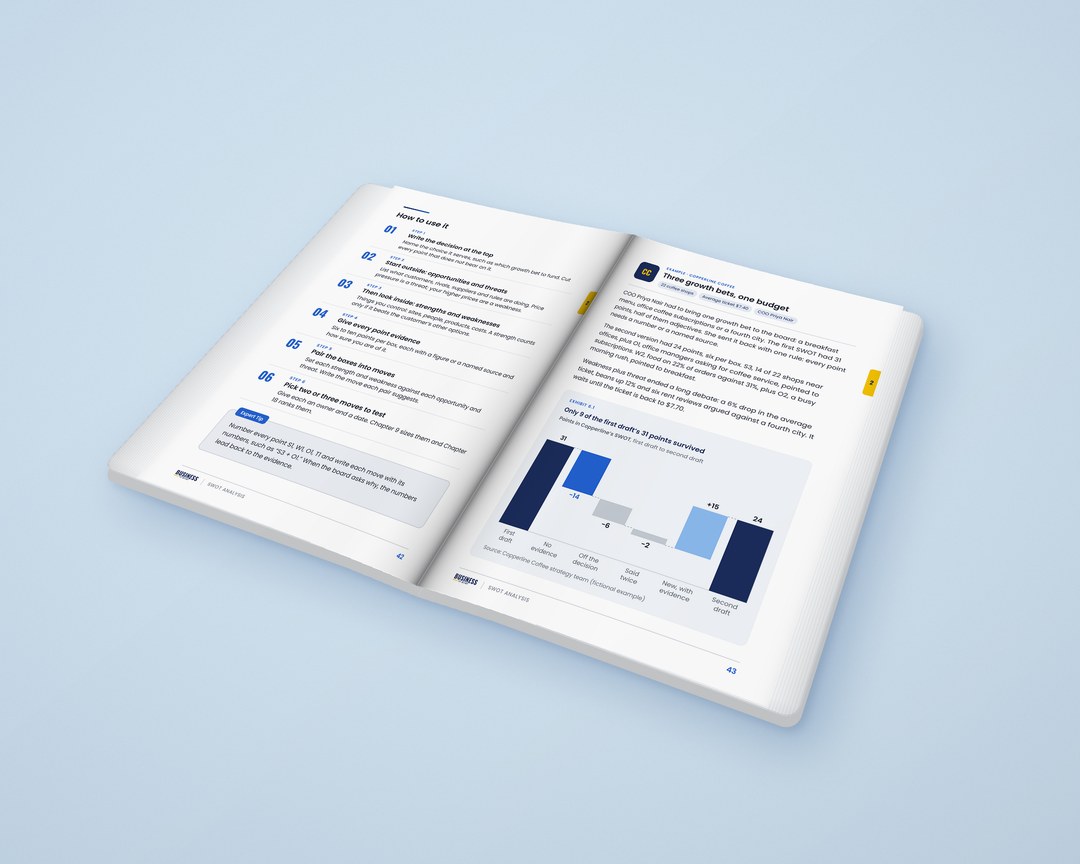
Every framework is drawn as a diagram you can redraw on a whiteboard.
See how MECE is taught →
50% off today · instant PDF · 35 frameworks
After that, the tools depend on the problem.
Judging a market? Porter’s Five Forces shows how much profit the industry lets anyone keep, and which force takes the rest.
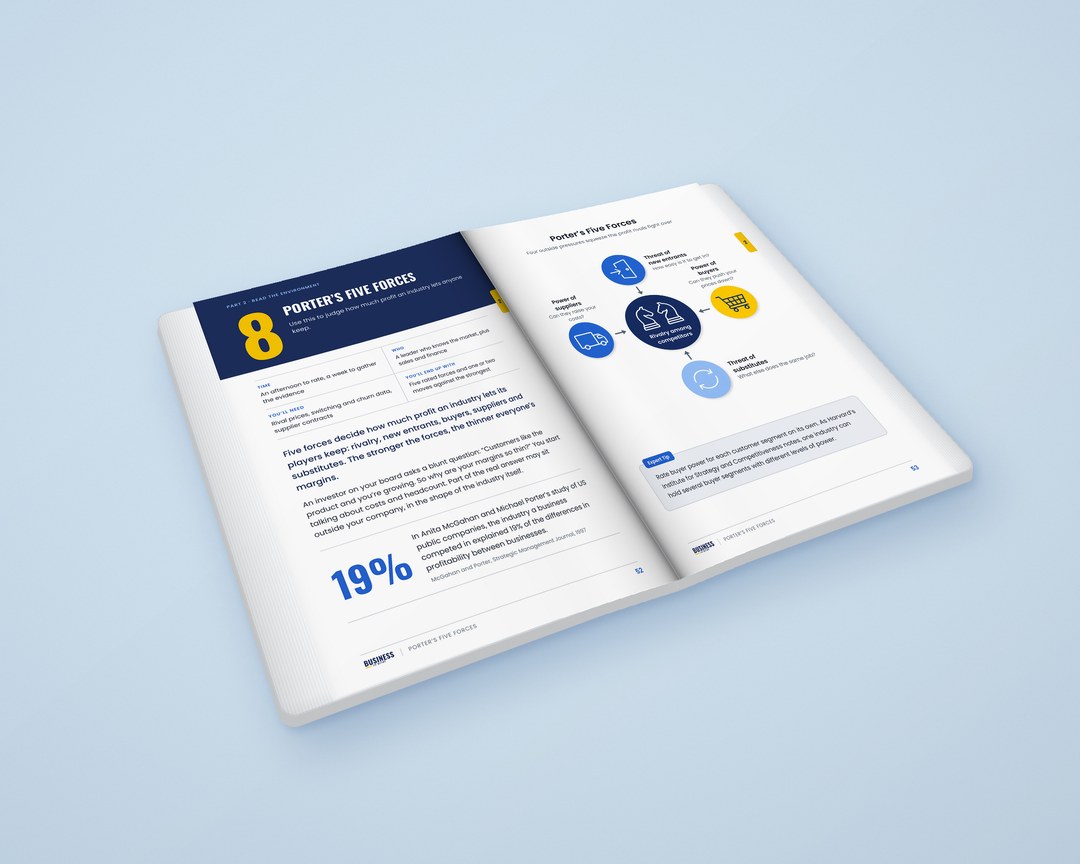
Get Porter’s Five Forces →
50% off today · instant PDF · 35 frameworks
Too many ideas and one budget? ICE scoring (impact, confidence, ease) ranks them in a single meeting, and weighted scoring handles the bigger calls.
Get all 35 frameworks →
50% off today · instant PDF · 35 frameworks
The quiet ones
Questions you’d rather not ask out loud
“Everyone says MECE. What does it actually mean?”
“Shouldn’t I be able to explain Five Forces by now?”
“How do consultants always put the answer on slide one?”
“KPIs or OKRs? What’s the actual difference?”
“How do I fit a whole recommendation on one page?”
“Agile, Scrum, Kanban… which one would we even use?”
Then the work has to happen. The last part turns a recommendation into an action plan with owners, picks a delivery method that fits the team, and sets up the numbers that show whether it worked.
Delivery tools in Part 7
Action plans · Owners, dates and the first three moves
Agile and Scrum · Short cycles when the answer will change
Kanban · Visible work and limits on work in progress
Stakeholder mapping · Who to manage closely, who to keep informed
KPIs and OKRs · Track what changed, not what moved
PDCA, Kaizen and Lean · Small improvements that compound
It reads less like a business book and more like a manual you keep open on the desk: look up the problem, follow the steps, fill in the sheet.
The Monday morning test
Five real problems. Which chapter would you open?
1
Margins are shrinking and nobody can say which costs grew.
Build a cost bridge from last year to this year, find the few lines that explain most of the change, and cut those instead of everything by 10%.
2
Two teams blame each other for a missed target.
Break the target into its drivers until one branch clearly moved. The tree settles the argument the meeting couldn’t.
3
You present a growth plan to leadership on Thursday.
Lay out the growth options on Ansoff, open with the answer, and order the evidence so each slide supports the one before it.
4
Leadership wants a new market and can’t agree which one.
Rate each candidate on the five forces, size it bottom-up, and put both on one page. The debate becomes a comparison.
5
A product line is struggling: fix it, change it, or stop it?
Place it on the growth-share matrix, then score the three options against criteria agreed before anyone argues. The decision comes with its reasons.
Why it matters more now
Budgets are tighter, teams are smaller, and AI can produce a plausible-looking analysis in seconds. What it can’t do is decide which question matters, or stand in the room and defend the answer.
That judgment is becoming the part of the job people get promoted for. It looks like talent from the outside. Up close, it’s a set of methods anyone can learn.
Clear thinking under pressure isn’t a personality trait. It’s a skill, and it’s built on frameworks.
35 frameworks. One method.
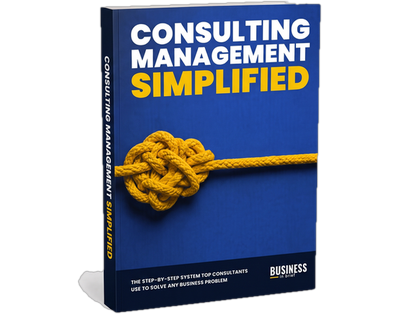
Everything in this article is in one book: Consulting Management Simplified.
It follows the method from the first question to the finished result, in seven parts:
The seven parts
1
Think Like a Consultant
Six steps, MECE, issue trees
The method behind the job title
2
Read the Environment
SWOT, PESTLE, Five Forces, TAM
Where you stand before you move
3
Find the Real Problem
KPI trees, root cause, 80/20
The cause, not the symptom
4
Build and Test the Options
Ansoff, BCG, ICE, pilots
Choose with reasons, test before betting
5
Make the Case
SCQA, pyramid, tough questions
Present it so it gets approved
6
Strategy and Growth
Canvas, roadmaps, pricing, Kotter
Plan beyond this quarter
7
Make It Happen
Action plans, Agile, KPIs, Kaizen
Deliver it and prove it worked
Every framework gets a diagram drawn the way the field draws it, a worked example with real numbers, and a worksheet. The same four example companies run through the whole book, so you watch one problem get solved from several angles.
Every chapter stands on its own. Open the one you need, use it the same day.
Not another 300-page business book
Most business books stretch one idea over a whole volume. This one gives each idea one chapter: what it is, when to use it, the steps, an example and a sheet to fill in.
Reading about strategy and having the tools to do it are two different things.
How it compares
This
Book
Book
MBA
Programs
Programs
Online
Courses
Courses
Business
Books
Books
Free
Content
Content
A diagram for every framework
Usable the same day
The whole method, start to finish
Worked example in every chapter
Worksheet in every chapter
How to present and defend it
Chapters that stand alone
Affordable
Consulting Management Simplified is the flagship title from Business in Brief, a library of 7 business books written the same way.
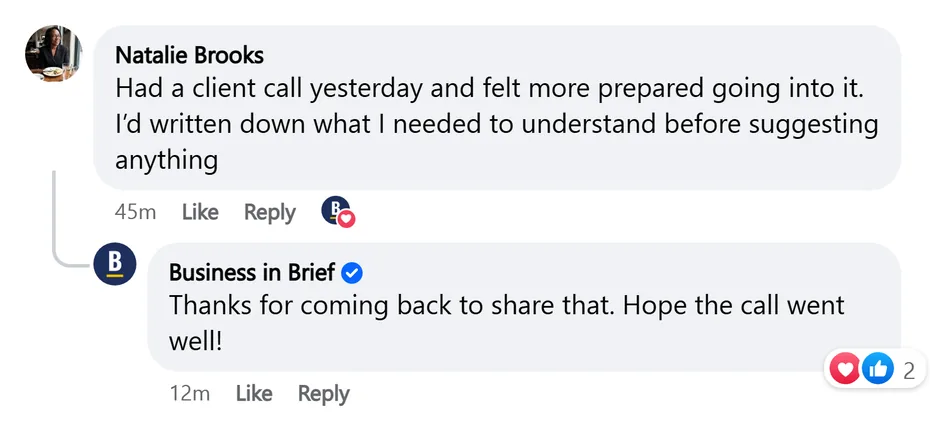
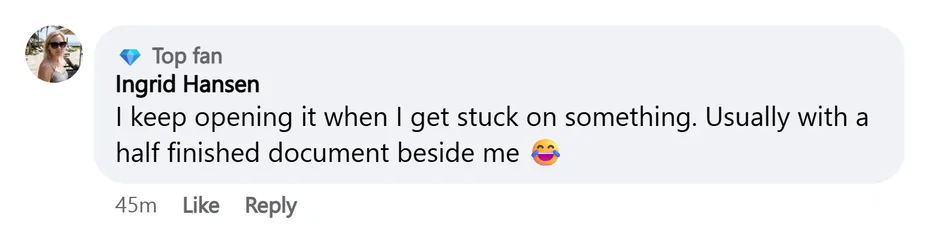

Still reading?
Then you already know which problem brought you here.
$99$49one-time · instant PDF
Get the book – 50% off
🔒 Secure checkout📧 Instant delivery↩ 14-day money back
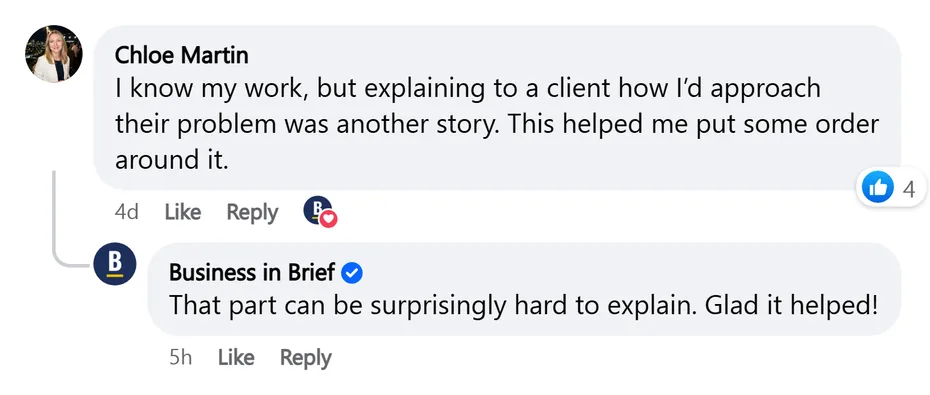
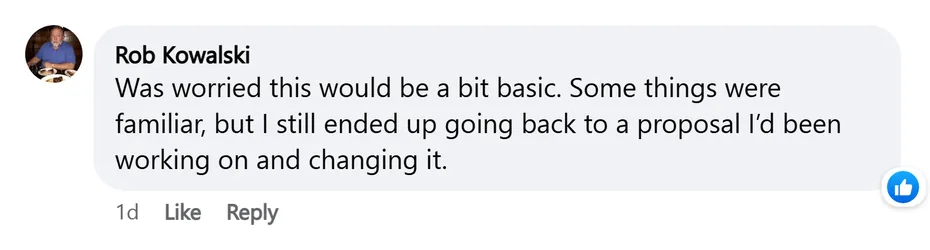
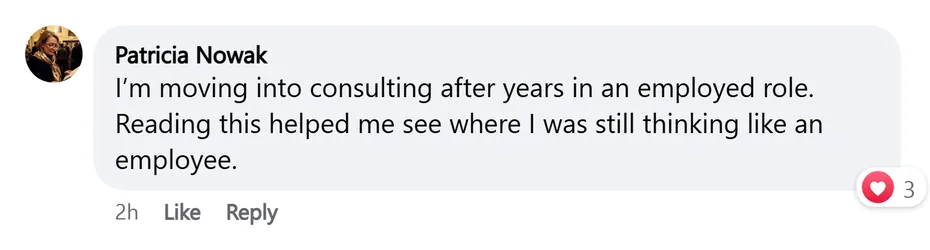
Reviews
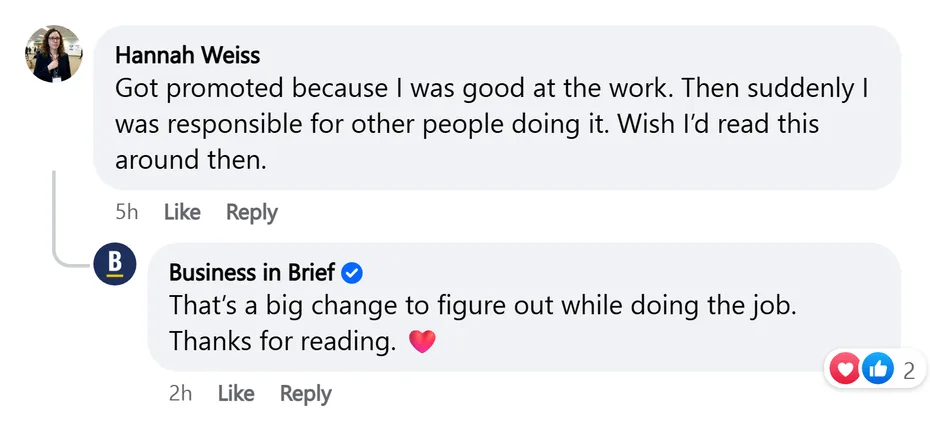
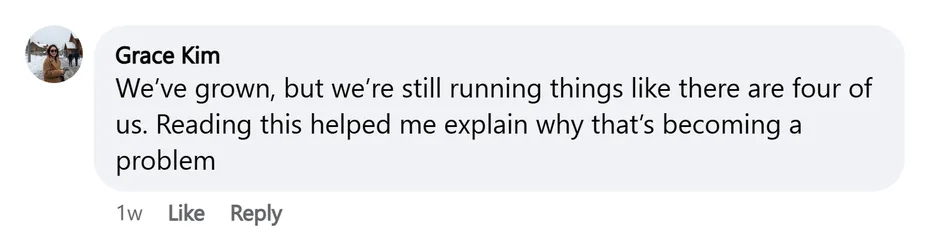
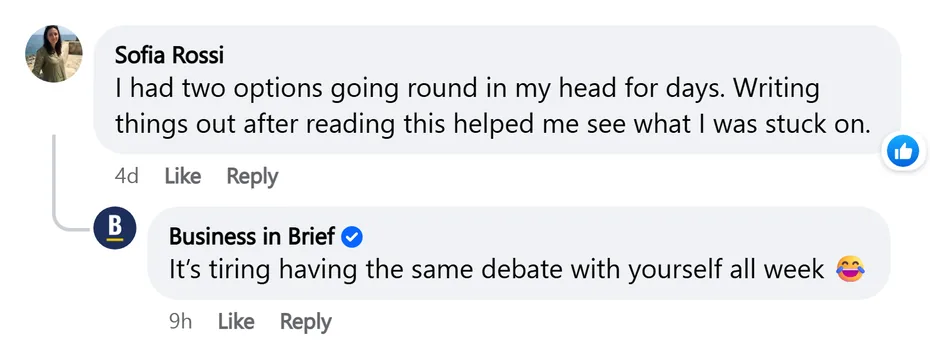
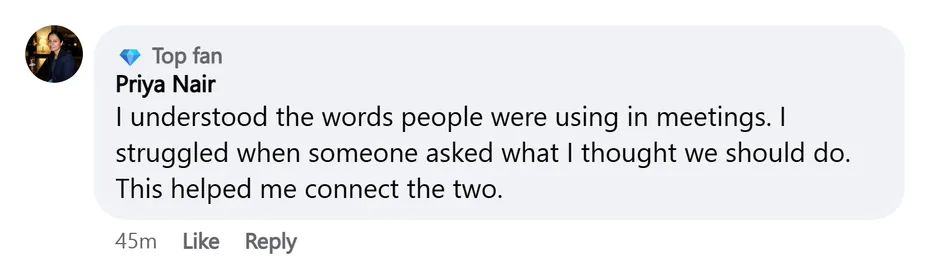
98.3% positive feedback from real readers


If it isn’t useful, email us within 14 days for a full refund.
No forms and no questions.
FALL SALE – 50% off
If you’ve ever walked into a meeting without a method, this is for the next one.
$99$49one-time
Sooner or later the problems get bigger than experience alone can carry. This book is for the day you want a method instead of a guess.
Get Your CopyConsulting Management Simplified · 35 frameworks · instant PDF download
🔒 Secure checkout📧 Instant delivery↩ 14-day money back
 Lowest Price Ever!



 Your Products
 Refund Request
 FAQs